Artists · Billboard Hot 100
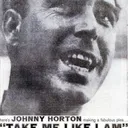 Johnny Horton
Charting Apr 27, 1959 → Apr 7, 1962 · 78 weeks with chart power
Charted in 2 of 2 markets · crowned Artist of the Week in 1 of them — Billboard Hot 100 78 wk (2 crowns), UK Singles Chart 15 wk
Honours
Artist of the Week
Billboard Hot 100
2 crowns
19591962Longest reign 2 weeks (Jun 1959) · First crown Jun 1959
- Peak Power
- 2.71%
- week of Aug 10, 1959
- Career Power
- 141
- share-weeks
- Crowns
- 2
- weeks crowned Artist of the Week
- Peak Year
- 81
- February 1960 – February 1961
- Peak Five Years
- 141
- August 1958 – July 1963
- Top-five weeks
- 19
- weeks ranked 1–5
- Longevity
- 78
- weeks with chart power
- Dominance
- 3.62%
- week of Jun 22, 1959
- Comebacks
- 0
- none detected
Ranked by weekly Power Share, part of the ChartReign Power model — not the chart's own positions. How it works →
Songs on the Billboard Hot 100
8 records · 141 share-weeks of Career Power
Power contributed is what each song earned this artist: their weekly Power Share, split across their songs (a featured credit takes its reduced share). Record Power is the song's own figure, the same for every artist on it. Bar length compares songs within this list.
| Song | Peak | Weeks | On chart | Power contributedPower | Record Power |
|---|---|---|---|---|---|
| The Battle Of New OrleansApple Music | #1 | 21 | 53.7 | ||
| North To AlaskaApple Music | #4 | 23 | 44.7 | ||
| Sink The BismarkApple Music | #3 | 18 | 34.9 | ||
| Sleepy-Eyed JohnApple Music | #54 | 7 | 2.9 | ||
| Johnny RebApple Music | #54 | 8 | 2.5 | ||
| Johnny FreedomApple Music | #69 | 4 | 1.1 | ||
| Sal's Got A Sugar LipApple Music | #81 | 7 | 0.5 | ||
| Honky-Tonk ManApple Music | #96 | 2 | 0.3 |
30-second previews and store links from Apple Music.
At their peak
1960 in music →Johnny Horton's best twelve months on the Billboard Hot 100 ran from February 1960 to February 1961. The most powerful artists over those weeks:
- 1Connie Francis160
- 2Brenda Lee157
- 3Bobby Rydell123
- 4The Everly Brothers119
- 5Jackie Wilson113
- 6Paul Anka92
- 7Fats Domino88
- 8Brook Benton82
- 9Johnny Horton81
- 10Elvis Presley77
Ranked by Era Power over the same weeks.